In today’s interconnected world, access to communication services is often taken for granted. However, for remote areas with limited infrastructure, unreliable telecommunications can have devastating consequences, amplifying existing inequalities and impeding crucial services like education, healthcare, and economic opportunities. The aftermath of natural disasters like Hurricane Maria in Puerto Rico and ongoing conflicts such as those in Syria starkly illustrate the urgent need for inclusive connectivity solutions.
CellMesh: Revolutionizing Connectivity in Challenging Environments
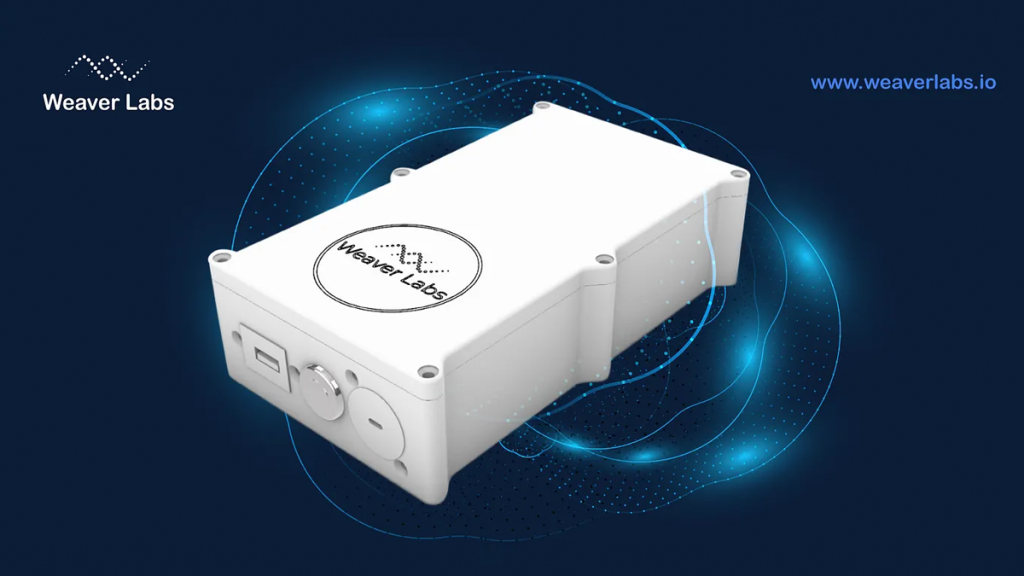
CellMesh, developed by Weaver Labs, is an innovative application designed to facilitate resilient communication in areas with limited or unreliable internet connectivity. This technology is precious in disaster-prone regions and conflict zones where traditional communication channels may be disrupted.
The Potential of CellMesh
In 2017, Hurricane Maria ravaged Puerto Rico, leaving the entire island without power and telecommunications for months. The lack of connectivity not only impeded relief efforts but also hampered communication between affected communities and emergency responders, exacerbating an already dire situation. In a situation like this, CellMesh is capable of mitigating these challenges by providing a decentralised communication solution that operates independently of centralised infrastructure. By leveraging WiFi Direct technology, CellMesh enables direct device-to-device communication paths, ensuring that critical information can still be shared among communities and responders even when traditional networks are down.
Similarly, in conflict zones like Syria, telecom disruption is both a consequence of infrastructure damage and a deliberate tactic employed by warring parties to control information flow and restrict communication among civilians. CellMesh offers a resilient alternative, enabling encrypted and decentralised communication that reduces reliance on vulnerable centralised networks. This capability empowers communities to maintain communication channels vital for coordination, safety, and access to essential services during times of crisis.
Example: Track & Trust Deployment
One notable deployment showcasing CellMesh’s capabilities is the Track & Trust project, a collaborative effort funded by the European Space Agency (ESA) and executed in partnership with application provider Datarella and space communications expert Ororatech. The mission of Track & Trust is to revolutionise supply chain monitoring for global humanitarian agencies using the latest technology, CellMesh.
CellMesh Technology in Action
CellMesh serves as the backbone of the Track & Trust project, offering a versatile Mesh solution that supports connectivity via public 4G, satellite, or WiFi Direct between CellMesh nodes. This flexibility enables peer-to-peer communication and data exchange, even in the absence of traditional Internet connectivity. Messages can be relayed between devices until a connection to the internet is established via 4G or satellite link, ensuring continuity of operations in adverse conditions.
Applications Beyond Humanitarian Aid
Beyond its humanitarian applications, CellMesh demonstrates its versatility across various sectors, including:
- AgriFood Supply Chain: In agriculture and food supply chains, CellMesh facilitates real-time monitoring of perishable goods, ensuring timely delivery and reducing waste. It enables seamless communication between farm equipment, warehouses, and distribution centres, optimising logistics and supply chain management.
- Dynamic Supply Chain Insurance: CellMesh enhances the insurance sector by enabling secure and instantaneous communication between insurers, policyholders, and service providers. This capability supports dynamic risk assessment, faster claims processing, and proactive risk management strategies.
- Industry 4.0: Within the context of Industry 4.0, CellMesh supports the interconnectedness of smart factories and industrial IoT devices. It enables reliable data exchange and coordination between machinery, production lines, and management systems, fostering enhanced operational efficiency and predictive maintenance.
- Smart Cities V2X (Vehicle-to-Everything): In smart cities, CellMesh facilitates communication between vehicles, infrastructure, and pedestrians. It supports traffic management, emergency response coordination, and the implementation of sustainable urban mobility solutions. CellMesh enables smart city initiatives to leverage real-time data exchange for optimising transportation systems and enhancing overall urban living standards.
In each of these sectors, CellMesh’s capability to provide reliable communication and data exchange in diverse environments contributes to operational efficiency, innovation, and resilience in the face of logistical, environmental, and technological challenges.
In conclusion, CellMesh stands at the forefront of transformative connectivity solutions, reshaping industries from humanitarian aid to smart cities and beyond. By enabling resilient communication in challenging environments and enhancing operational efficiency across diverse sectors such as agriculture, insurance, industry, and urban mobility, CellMesh not only addresses immediate connectivity gaps but also lays the groundwork for a more interconnected and resilient future. Weaver Labs remains committed to pioneering technology that empowers communities and organisations worldwide, ensuring they stay connected and responsive in the face of evolving challenges.