In the second part of our three-part series, we move beyond connectivity as an asset to explore the ‘Translation Gap’; the critical divide between collecting stadium data and converting it into commercial fuel.
In our previous discussion, we addressed the “Shiny Object” trap; the tendency to prioritise high-tier applications over the foundational infrastructure required to make them perform. But once that foundation is in place, a new challenge emerges. Most sports organisations don’t actually have a data problem; they have a translation problem.
Stadiums are sitting on mountains of disconnected fan, ticketing, and performance data. However, data by itself is inert; its value only materialises when it is translated into decisions that drive revenue. According to the PTI “Making Sense of Data” report, while two-thirds of organisations recognise that data is vital for commercial growth, only 13% have an integrated data strategy that is proactively placed in front of decision-makers.
Beyond Logistics: The Power of Predictive Patterns
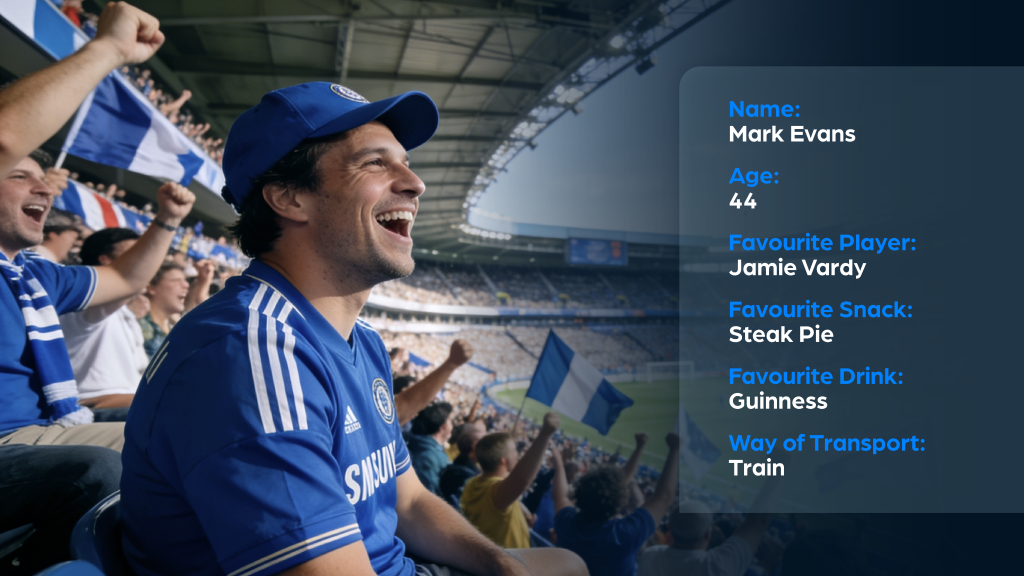
A prime example of this translation challenge is found in fan arrival behavior. As noted by experts at the Barça Innovation Hub, fans do not arrive randomly; their behavior follows patterns that can be modeled and predicted up to 72 hours before kickoff.
In a stadium with 100,000 spectators, understanding these patterns is not just an operational necessity, it is a commercial goldmine. When you can model behavior by gate, timing, and attendee type (such as differentiating between season ticket holders and tourists), you turn uncertainty into a manageable asset. This level of granularity allows a stadium to:
- Optimise Operations: Anticipate congestion and redistribute security and access control resources in advance.
- Maximise Commercial Windows: Align staffing and retail activity with the exact moments fans are most likely to spend.
- Improve City Dynamics: Better coordinate with local transport systems and retail activity outside the venue.
The Cost of Disconnection
Despite the clear benefits of such modeling, the “Translation Gap” persists because data remains siloed. Great insights, like predictive arrival timelines, often never reach the marketing or commercial teams who could use them to impact pricing or sponsorship value. The PTI report highlights the severity of this disconnect:
- The Insights Gap: Only 15% of organisations are currently able to extract truly meaningful insights from their data.
- The Commercial Gap: 50% of sports organisations are commercialising 10% or less of their known database.
- The “Analogue” Trap: Data is frequently appended to decaying, analogue commercial models rather than being used as embedded intelligence to drive long-term capital value and uncover new future opportunities.
Aligning the Digital Ecosystem with Cell-Stack
The opportunity for the modern stadium isn’t necessarily about collecting more data; it is about connecting what already exists. This is where the architecture becomes critical. Cell-Stack by Weaver Labs provides the orchestration layer that solves this misalignment at the source.
By providing a unified environment where decentralised applications (like the machine learning models used for arrival forecasting) can communicate with ticketing and point-of-sale systems, Cell-Stack ensures your digital ecosystem is aligned with your business strategy. It transforms the challenge from just handling crowds to understanding them before they even arrive.
From “Data-Driven” to “Revenue-Driven”
If your data isn’t driving commercial growth, it is merely noise. As Stephen Brown, Chief Operating Officer of British Cycling, noted in the PTI report, data must be made “trustworthy because it’s so central to interaction with everything else that you’re going to put into your digital ecosystem”.
Cell-Stack provides the framework for that interaction to occur. We provide the technology infrastructure that allows you to stop working hard and start working smart. The teams that figure this out won’t just be “data-driven”, they’ll be revenue-driven through data. That is a fundamentally different, and far more profitable, place to be.
Are you ready to close the Translation Gap?
The first step toward a revenue-driven stadium isn’t a new app; it’s a unified foundation. Contact Weaver Labs today to learn how Cell-Stack can align your data islands into a single, high-performance, intelligent, commercial roadmap: [email protected]