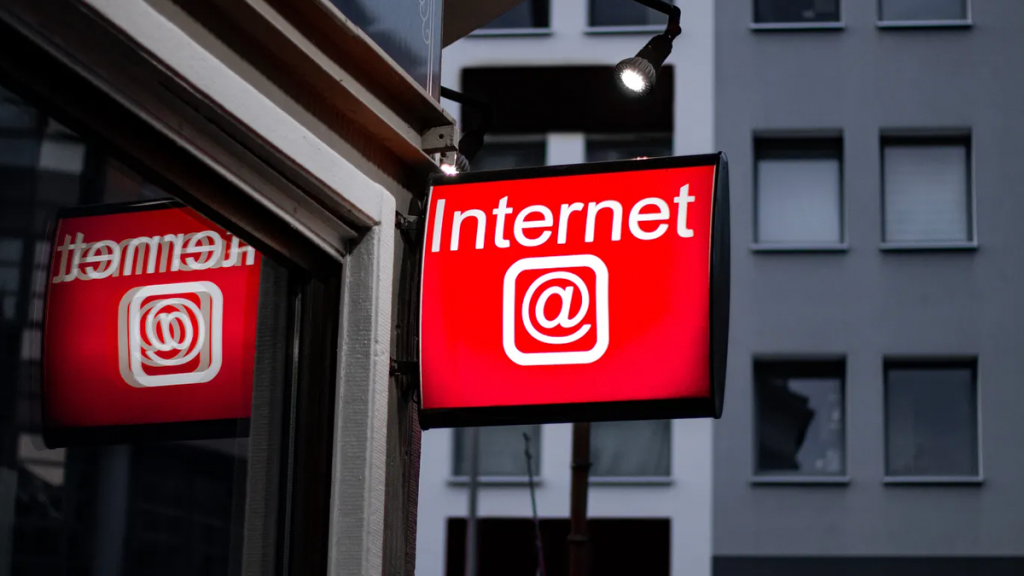
In today’s world, the internet has transcended its role as a luxury and become a fundamental human right. Access to information, education, job opportunities, and global connectivity has become increasingly dependent on this digital gateway. However, the digital divide still looms large, with many regions, particularly rural and underserved areas, left without reliable internet access. Traditional telecom models prioritize profitable markets, leaving less attractive areas underserved. This is where Weaver Labs’ mission of decentralization plays a crucial role.
The Internet as a Human Right
The recognition of internet access as a human right is a growing global consensus. Institutions like the United Nations emphasize that the Internet is essential for the exercise of the right to freedom of expression and access to information. The Internet is no longer a luxury but a necessity for personal growth, economic empowerment, and participation in modern society.
Challenges in Bridging the Digital Divide & the Current Telecom Models
Bridging the digital divide remains a formidable challenge. Many regions, particularly rural and underserved areas, find themselves neglected or underserved by major telecom companies. These traditional telecom models continue to concentrate on high-density, profitable markets, exacerbating the digital division. During the pandemic, only 51% of households with incomes between £6,000 to £10,000 had access to home internet. In stark contrast, 99% of households with incomes exceeding £40,000 enjoyed this privilege. This glaring digital divide underscores the pressing need for more affordable and faster internet access.
Additionally, low-income families may qualify for social tariffs, offering discounts on network plans, but the uptake remains woefully low, with just 3% of eligible households taking advantage of this opportunity. Furthermore, in most low-income areas of the UK, internet connectivity remains woefully inadequate, with 8% of UK households experiencing average speeds of less than 10mb over a 24-hour period.
The issues with traditional telecom models are systemic and face various challenges:
- Heightened Competition: The industry confronts intensifying competition from novel technologies and competitors offering similar services at reduced costs. Technologies like Voice over Internet Protocol (VoIP) applications, such as WhatsApp, challenge traditional telecom services.
- Escalating Infrastructure Costs: The burgeoning demand for data services results in mounting expenses for infrastructure development and maintenance. This can be especially burdensome for smaller players to bear, perpetuating the digital divide in society.
- Declining Revenues: The industry experiences diminishing revenues due to the continual evolution of consumer behaviour and preferences. It necessitates the adoption of innovative business models to address these issues.
Decentralization as a Solution
Weaver Labs occupies the forefront of the telecom revolution with a pioneering vision. At its core lies a belief in the transformative power of decentralization as the key to achieving universal internet access. Weaver Labs stands as an advocate for equitable digital access, ensuring that geographical location and profitability are no longer the gatekeepers to the digital world.
The Risk of Not Modernizing
Neglecting the modernization of existing telecom models poses significant risks. Failing to adapt to the changing landscape and embrace innovative business models can lead to:
- Widening Digital Division: The digital gap between well-served urban regions and underserved rural areas will continue to expand, leaving many without reliable internet access.
- Loss of Competitiveness: Telecom companies that refrain from modernizing their models risk a decline in competitiveness in an industry that evolves rapidly. This can result in diminishing market share and revenues.
- Inefficiency and Heightened Costs: Outdated models can lead to inefficiencies and increased operational expenses, making it challenging for companies to offer cost-effective services to consumers.
The Importance of Collaboration
Collaboration within the telecommunications industry remains paramount to addressing the challenges of digital inclusion. As the tides of technology and consumer behaviour reshape the industry’s landscape, telecom companies must adapt and embrace innovative business models.
Collaboration fosters synergy and cost-sharing, enabling the development of superior products and services. This approach transcends a mere business strategy; it becomes a catalyst for innovation, cost reduction, and the cultivation of a more competitive market. It’s a win-win scenario, benefiting both consumers and businesses.
Cell-Stack’s Role in the Solution
Amid these challenges and the need for innovation, Weaver Labs leverages Cell-Stack as a comprehensive software solution. This platform incorporates orchestration, automation, and virtualization tools to enable the next generation of the telecom industry. By facilitating the integration of these tools with infrastructure as a service (IaaS) providers via their APIs, we bring forth a simplified process for accessing and utilizing IaaS resources. This streamlined approach enables on-demand provisioning of resources, making network management more agile and efficient.
By harnessing the power of Cell-Stack, telecom operators can maintain their competitive edge, reduce capital expenditures on physical infrastructure, enhance network scalability, and respond swiftly to evolving market conditions. Furthermore, Cell-Stack promotes collaborative endeavours by simplifying the integration of infrastructure, thereby advancing telecom network integration.
To Conclude…
The telecom industry is in the throes of transformation, with traditional business models proving inadequate to meet the evolving needs of consumers and the demands of an ever-changing digital landscape. Telecom companies must not only embrace new technologies but also cultivate collaborative relationships to create more efficient and competitive markets. Infrastructure sharing, coupled with the innovative potential of Cell-Stack, has the capacity to drive transformative change. Telecom companies that adapt and modernize their models are poised to deliver faster internet speeds, seamless connectivity, and a broader range of digital services, ultimately bridging the digital divide and ensuring that the digital age is an inclusive era for all.