Turning Fan Engagement into Profit: The Business Case for Smarter Stadiums
By Dafne Mendoza, Head of Marketing
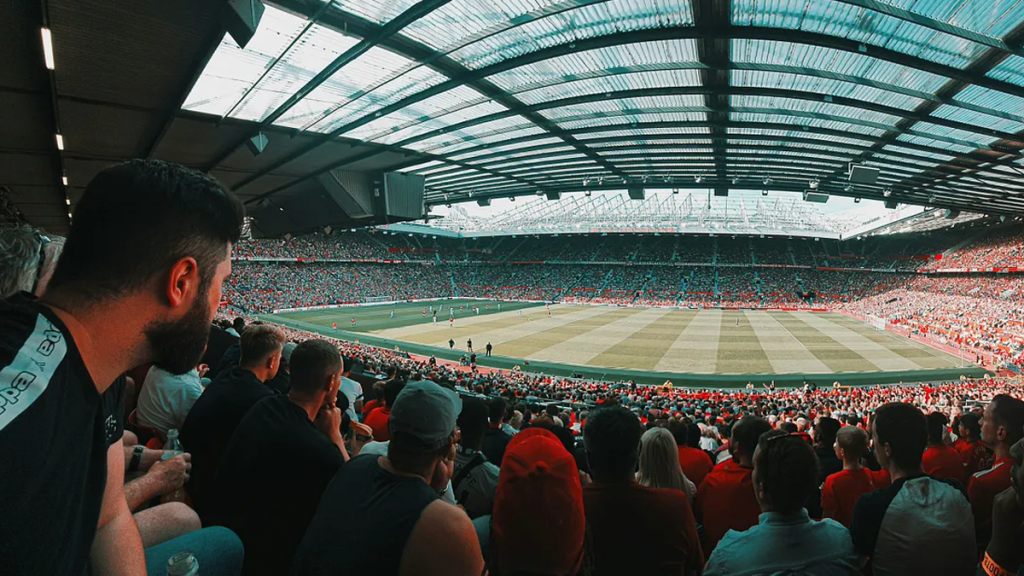
When was the last time you went to a stadium and truly felt satisfied with the experience, regardless of the game’s outcome?
After COVID-19 lockdowns lifted, stadiums saw an enthusiastic return of fans. The emotional connection to live sports hadn’t faded. In fact, it intensified. A 2020 Barclaycard Payments survey found that nearly 40% of UK adults were willing to spend more on food and drinks post-pandemic. This wasn’t just about hunger or thirst, it was a reflection of something deeper: fans missed the atmosphere, the togetherness, and the immersive thrill of being in a stadium supporting their team.
Another study also found that 48% of respondents believe stadiums are critical to their connection with their team or club, underscoring how vital physical venues are to sports culture. Stadiums aren’t just buildings, they’re emotional touchpoints. But here’s the question stadium operators should be asking:
What happens once fans actually arrive? And more importantly, why do they keep coming back (or not)?
It’s tempting to believe that passion for the game is enough. That loyalty alone will fill seats. But if that were true, why are so many fans choosing the comfort of home, with high-quality streams, multi-screen setups, and zero queue times?
The truth is: the match itself is no longer the full product; the experience is.
Today’s fans, especially Millennials and Gen Z, are not just spectators. They’re digital natives who expect convenience, interactivity, and immersive moments. They want to share clips in real time, order food from their seats, dive into stats, and feel part of something bigger than just 90 minutes of play. If stadiums can’t deliver that, fans won’t just leave. They’ll stop coming in the first place.
This is no longer about “nice-to-have” upgrades. Fan experience is now a strategic pillar for revenue growth, loyalty, and long-term success. Stadiums that fail to adapt risk becoming irrelevant, while those that lead with innovation will unlock entirely new commercial opportunities.
A Parallel Lesson from Cinemas
Let’s take a look at how the cinema industry evolved. Ten years ago, cinemas were struggling. But some made a pivot, offering plush seating, gourmet snacks, personalised services, and even mobile app integration. The result? Cinemas with enhanced customer experience saw a 20–30% increase in repeat visits (PwC, 2019). The message is clear: when experience improves, so does revenue.
The Connectivity Problem in Stadiums
Now let’s return to stadiums. Technology has completely transformed how fans engage with sports, but stadiums are struggling to keep up. A report by Boldyn revealed that 77% of attendees hate losing connection in venues that can attribute frustration to lagging apps, failed uploads, or stalled live streams. This isn’t just an inconvenience, it’s a broken experience at the exact moment fans should be most engaged.
The problem? Network congestion. Most UK stadiums simply weren’t built to handle the surge of tens of thousands (not even hundreds) of devices competing for bandwidth at once. And yet, investing in a private network rarely makes it to the top of the agenda, not because it isn’t critical, but because the return on investment hasn’t always been clear.
But here’s the reality:
Poor connectivity isn’t just a technical issue, it’s a missed business opportunity.
Connectivity Is No Longer Just a Fix — It’s the Foundation
In today’s connected economy, digital experience equals brand experience. And in a stadium, where moments move fast and expectations are sky-high, connectivity is the infrastructure that everything else depends on, from food ordering apps to fan engagement, hospitality upgrades, and sponsor activations.
Yet, most venues still rely on telecom models controlled by a few major providers. The result? Outdated infrastructure, restrictive contracts, and zero ownership of the network layer that underpins it all.
What if stadiums could take control?
The Case for Software-Based, Stadium-Owned Networks
Through Project ARANA, backed by the UK Government’s Future Telecoms Challenge, MK Dons is deploying our software platform Cell-Stack to unify and manage its own private 5G, fibre, and satellite network. The stadium is now in full control of its telecom environment, unlocking both fan engagement and commercial growth.
What does this look like in practice?
During our early demos at Stadium MK, fans experienced a glimpse of what the future holds:
They were able to live stream the match from multiple camera angles, navigate the venue using a 3D map, tap into AI-powered game insights, and chat with an interactive assistant — all seamlessly, and all in real time. And this is just the beginning.
We’re actively building a suite of immersive, fan-first applications that go beyond entertainment to reduce friction and improve comfort. Think:
In-seat food and drink ordering, with real-time delivery updates.
Smart restroom navigation, showing the nearest available facilities.
3D player models, allowing fans to visualise passes, formations, and key plays from a completely new perspective, almost like stepping inside the game.
Personalised match content, tailored based on where you’re sitting, who you support, and what matters to you.
Technology that supports people with disabilities, inclusivity is a must.
With this level of digital integration, the stadium stops being just a venue to become a connected platform. One where sponsors can activate smarter campaigns, event organisers can tap into on-demand services, and stadium owners gain new revenue streams by leasing access to the very network that powers it all.
Cost Considerations and Revenue Impact
Stadium owners face complex financial decisions when choosing wireless network options. In research we carried out with market experts from Tolaga, we found that a comparison of MNO solutions (Off-Net and On-Net DAS) with private 5G networks highlighted the significant financial advantages of software-based networks. A case study of a stadium using an OpenRAN solution integrated with edge cloud could see its Five-Year Financial Performance grow from £16.8 million with MNO Off-Net DAS to £52.4 million with the new cloud-based solution. This shift shows the potential for long-term revenue benefits of private networks.
Attendee Growth and Per-Attendee Revenue
Under NaaS, stadiums have the potential to see attendee growth from 668 to 2,482, and per-attendee revenue could rise from £6.36 to £18.74, driven by the solution’s ability to support more use cases. This growth is directly linked to enhanced fan experiences made possible by improved connectivity and tailored services.
Annual Revenue from Digital Services
Annual revenues from MNO 5G Off-Net DAS could increase from £1.8 million to £3.2 million (a 12.6% CAGR), while OpenRAN/Edge Cloud revenue might grow from £6.2 million to £25.0 million (a 32% CAGR). This potential growth demonstrates the value of upgrading to next-gen connectivity solutions.
Capital Expenditures and ROI
While traditional MNO-5G and conventional solutions have high CAPEX costs, OpenRAN/Edge Cloud offers a more cost-effective solution. This is reflected in the potential for greater ROI from lower infrastructure costs, offering financial efficiency and better long-term returns.
Future Investment Considerations
Traditional solutions have limitations, but NaaS-based OpenRAN/Edge Cloud offers greater scalability and profitability. Stadiums making this investment today could position themselves for future success in the digital era, with the potential for sustained revenue growth and operational efficiency.
The Bigger Picture
Connectivity is not a luxury. It’s a core infrastructure for fan engagement, business operations, and future growth. Stadiums that treat it as such are already unlocking new monetisation models and gaining a competitive edge in the sports entertainment space.
So ask yourself again: When was the last time you went to a stadium and felt completely satisfied, not just by the match, but by the entire experience?
For stadiums ready to meet that challenge, the opportunity is now. And with Cell-Stack, you don’t just provide better connectivity; you build better business.
Last week, Weaver Labs hosted Stadiums of the Future 3.0, a 45-minute deep dive into what it takes to bring modern, smart venues to life. Led by Peter Marshall (Business Development, Weaver Labs), our panel brought together experts spanning AI, telecoms infrastructure, live media, and cloud orchestration: If you missed the live session, here are […]
Sports venues often struggle with advanced digital applications because rigid, legacy network hardware cannot handle peak fan demand. To solve this, stadiums must adopt an open, software-defined network infrastructure that seamlessly integrates fragmented data silos. By transforming connectivity into agile digital real estate, venues can unlock greater operational efficiency, data sovereignty, and significant new revenue […]
The live entertainment industry has reached a point where the physical experience on the field or stage is only half the story. The other half happens in another reality that is becoming embedded in everything we do –the screens in the palm of every spectator’s hand. Fans expect to interact with the event –whether that […]
This article marks the conclusion of our series on the digital evolution of modern venues where we shift from identifying the problem to executing the solution. If our previous articles established that technology is no longer a utility but a strategic asset, and that infrastructure is the engine of ROI, this final piece outlines the […]
In the second part of our three-part series, we move beyond connectivity as an asset to explore the ‘Translation Gap’; the critical divide between collecting stadium data and converting it into commercial fuel. In our previous discussion, we addressed the “Shiny Object” trap; the tendency to prioritise high-tier applications over the foundational infrastructure required to […]
This is the first in a three-part series exploring why connectivity has evolved from a back-office utility into a stadium’s most powerful commercial engine. In the modern sports and entertainment landscape, the pursuit of innovation is relentless. Stadium operators are under immense pressure to deliver the “stadium of the future,” leading to significant investments in […]